
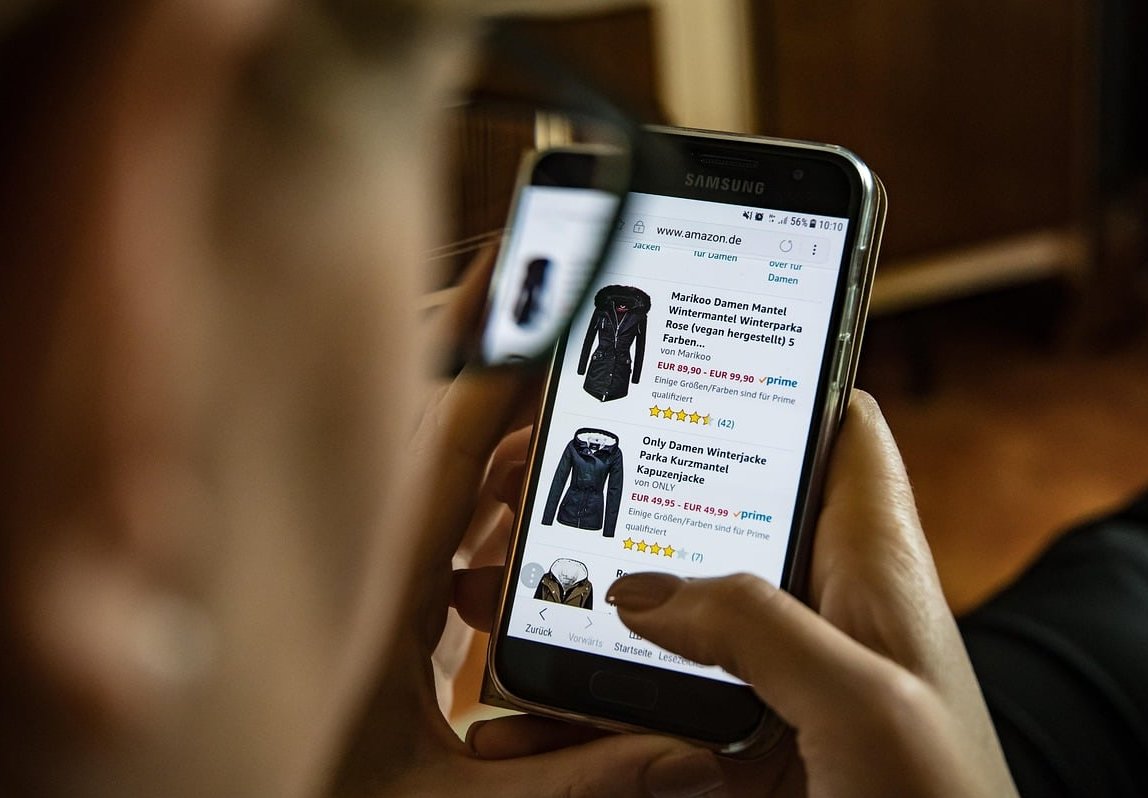
If you run an online store, you already know the pain: shoppers add products to their cart, get close to checkout, and vanish. According to the latest Baymard Institute data, the average cart abandonment rate still hovers around 70%. That means for every 10 shoppers ready to buy, 7 leave empty-handed.
The good news? Most abandonment reasons are fixable. In this guide, we walk you through how to reduce shopping cart abandonment with 12 tactical, tested strategies. Each tactic includes a real-world example and the expected impact on your conversion rate so you can prioritize what to implement first.
Why Shoppers Abandon Their Carts
Before jumping into fixes, it helps to understand the top reasons customers ditch their carts: mercatus.com has a solid rundown on this.
- Unexpected shipping costs or taxes
- Forced account creation
- Complicated or long checkout process
- Concerns about payment security
- Slow-loading pages, especially on mobile
- Limited payment options
- Unclear return or refund policies
- Poor mobile experience
Every tactic below directly addresses one of these friction points.
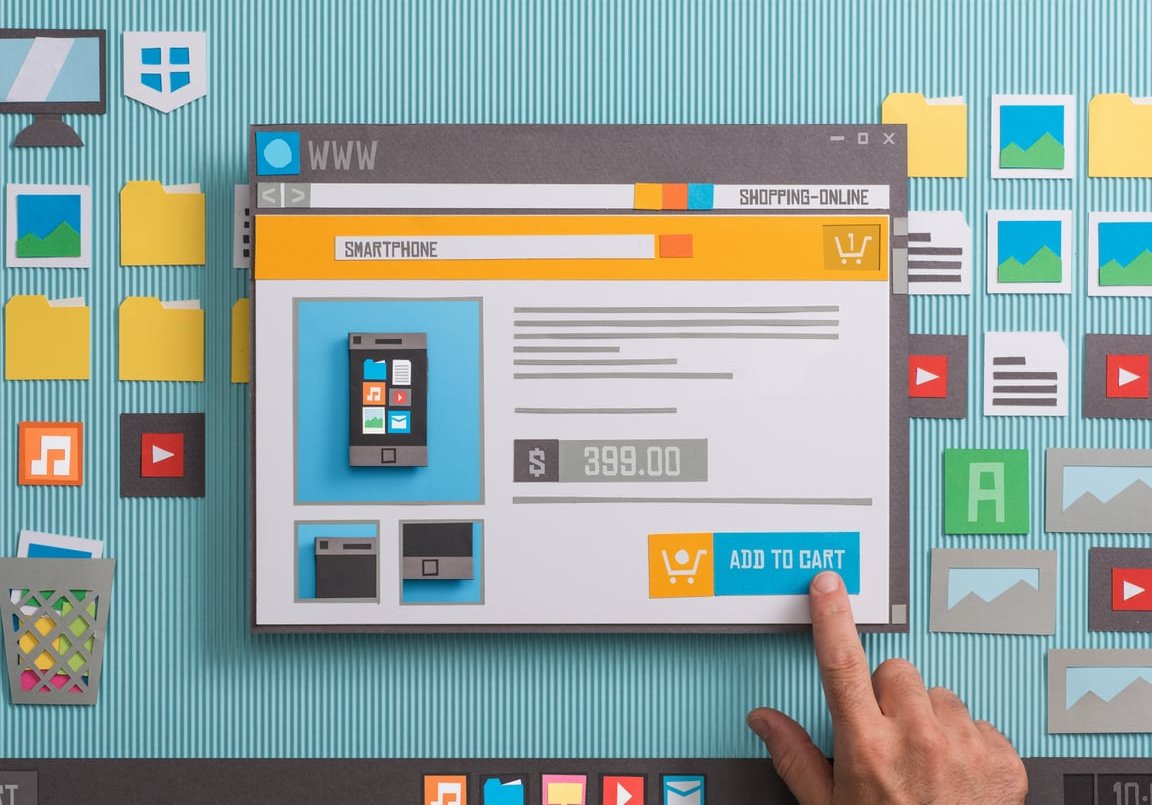
12 Proven Tactics to Reduce Shopping Cart Abandonment
1. Show Shipping Costs Upfront
Nothing kills a sale faster than a surprise $15 shipping fee at checkout. Display shipping estimates on product pages or in the mini-cart based on the shopper’s location.
Example: Zappos shows a free shipping banner on every product page. At ShoeGuru.ca, we display estimated shipping in the cart drawer before checkout starts.
Expected impact: +8% to +15% conversion lift.
2. Offer Guest Checkout
Forcing account creation is one of the top three reasons people abandon carts. Let shoppers buy first, then invite them to create an account after purchase.
Example: Nike offers a prominent Guest Checkout button next to the login form.
Expected impact: Up to +35% checkout completion rate for first-time buyers.
3. Add Trust Badges Near the Checkout Button
Trust badges like SSL secure, Norton, Visa Verified, and money-back guarantees reduce anxiety at the moment of purchase.
Example: Bombas displays a 100% Happiness Guarantee badge right next to the Place Order button.
Expected impact: +5% to +12% conversion improvement.
4. Use Exit-Intent Popups Strategically
When a visitor’s mouse moves toward the close button, trigger a popup with a small incentive like 10% off, free shipping, or a reminder about the items in their cart.
Example: Beauty brand Kylie Cosmetics uses exit-intent popups offering free shipping on orders above a threshold.
Expected impact: Recovers 3% to 8% of would-be abandoners.
5. Simplify the Checkout to One Page
Every extra step is a chance to lose the customer. Consolidate shipping, billing, and payment into a single page or a well-designed accordion flow.
Example: Shopify’s default checkout uses a streamlined three-step flow, but many top merchants collapse this into one page.
Expected impact: +10% to +20% checkout completion rate.
6. Offer Multiple Payment Options
In 2026, shoppers expect flexibility. Include credit cards, PayPal, Apple Pay, Google Pay, and Buy Now Pay Later options like Klarna or Afterpay.
Example: ASOS offers over 8 payment methods including installment plans.
Expected impact: +7% conversion boost, especially on mobile.
7. Send Abandoned Cart Emails Within the First Hour
Timing matters. An email sent 60 minutes after abandonment converts significantly better than one sent 24 hours later.
| Email Timing | Average Open Rate | Recovery Rate |
|---|---|---|
| Within 1 hour | 45% | 20% |
| Within 24 hours | 30% | 12% |
| After 48 hours | 18% | 5% |
8. Optimize for Mobile First
Over 70% of e-commerce traffic in 2026 comes from mobile. Buttons must be thumb-friendly, forms must autofill, and pages must load in under 2 seconds.
Example: Amazon’s one-tap checkout on mobile converts 3x better than desktop.
Expected impact: +15% mobile conversion.
9. Display a Clear Return and Refund Policy
Shoppers want reassurance. A visible 30-day free returns message near the checkout button removes hesitation, especially for higher-priced items.
Example: Allbirds displays Free Returns Within 30 Days right below the price.
Expected impact: +6% to +10% checkout completion.
10. Show Progress Indicators During Checkout
A progress bar with steps like Cart, Shipping, Payment, Confirmation reduces anxiety by showing shoppers how close they are to being done.
Example: Sephora’s checkout uses a clean four-step progress bar.
Expected impact: +4% to +7% completion rate.
11. Use Retargeting Ads with Dynamic Product Recovery
Not every shopper is ready to buy immediately. Serve retargeting ads on Meta, Google, and TikTok that display the exact products left behind in the cart.
Example: Wayfair spends heavily on dynamic retargeting and reports recovery rates of up to 26% on abandoned sessions.
Expected impact: 10% to 25% recovered revenue over 7 days.
12. Add Live Chat or AI Support at Checkout
Sometimes shoppers hesitate because of a single unanswered question. A live chat or AI assistant available on the checkout page can resolve doubts instantly.
Example: Warby Parker uses AI chat to answer sizing and shipping questions in real time.
Expected impact: +8% conversion improvement on high-consideration items.

Quick Priority Table: Where to Start
| Tactic | Effort | Impact |
|---|---|---|
| Guest Checkout | Low | High |
| Shipping Transparency | Low | High |
| Abandoned Cart Emails | Low | High |
| Trust Badges | Low | Medium |
| Exit-Intent Popups | Medium | Medium |
| One-Page Checkout | High | High |
| Retargeting Ads | Medium | High |
Final Thoughts
Reducing cart abandonment is not about one magic fix. It is about removing friction at every step of the buyer journey. Start with the low-effort, high-impact tactics like guest checkout, shipping transparency, and abandoned cart emails. Then layer on advanced tactics like exit-intent popups, retargeting, and AI chat.
At ShoeGuru.ca, we’ve applied these exact tactics and seen measurable jumps in conversion rate. The bottom line: every friction point you remove is money you recover.
FAQ
What is a good cart abandonment rate?
The average across industries is around 70%. Anything below 60% is considered strong performance. Fashion and footwear typically sit between 68% and 75%.
How quickly should I send an abandoned cart email?
The first email should go out within 60 minutes. A second reminder 24 hours later, and a final incentive-based email at 48 to 72 hours works best.
Do exit-intent popups actually work?
Yes, when used sparingly and with a real incentive. They typically recover 3% to 8% of abandoning visitors. Avoid showing them too aggressively or on every page.
Is guest checkout really that important?
Absolutely. Studies from Baymard consistently show that forced account creation is one of the top three reasons for cart abandonment, especially among first-time customers.
How do I measure if my changes are working?
Track your cart abandonment rate weekly using the formula: (1 – completed purchases divided by carts created) x 100. Compare before and after each change to isolate impact.